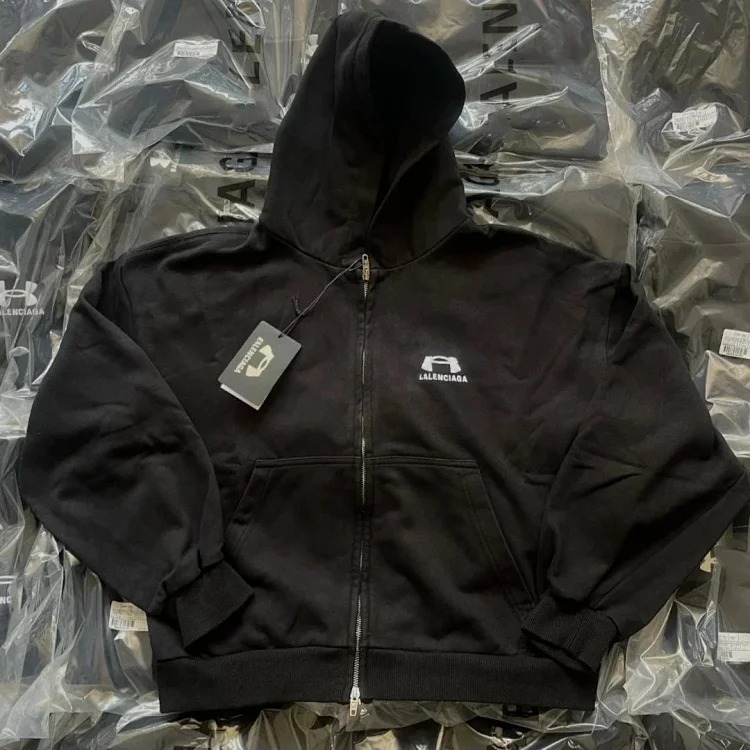
 Embroidered Zip Hoodie Jacket
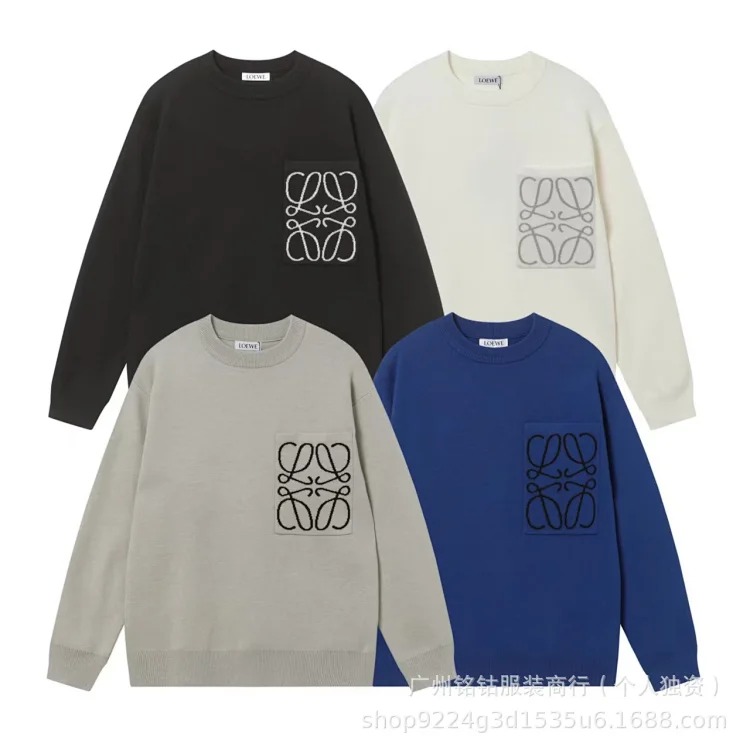 Low Letter Jacquard Sweater
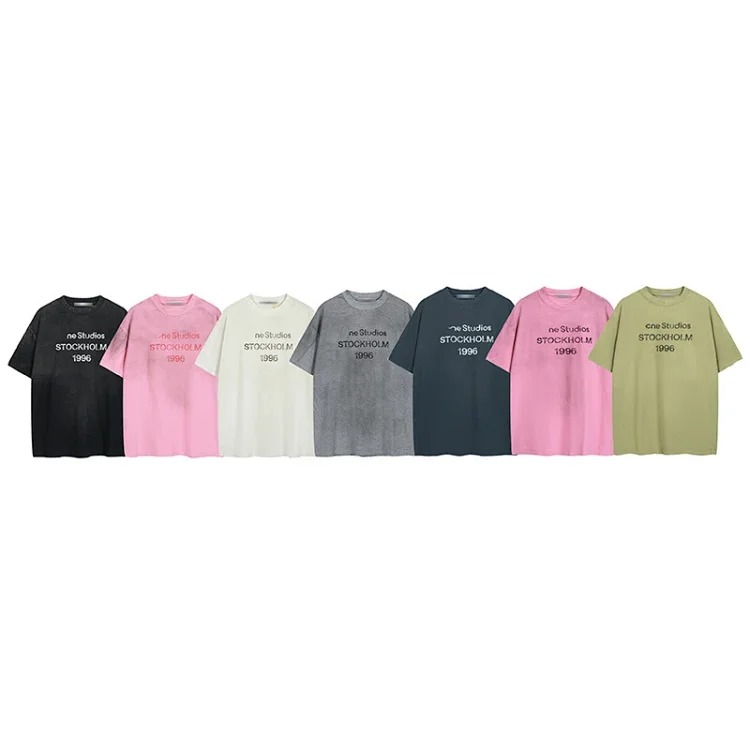 Fear of God Essentials T-Shirt
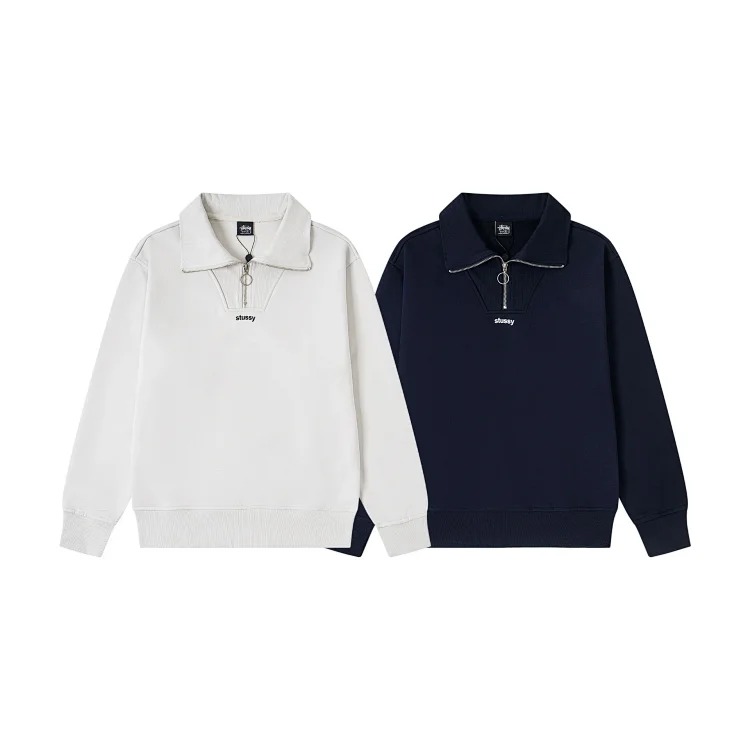 Straight Fit Half Zip Hoodie
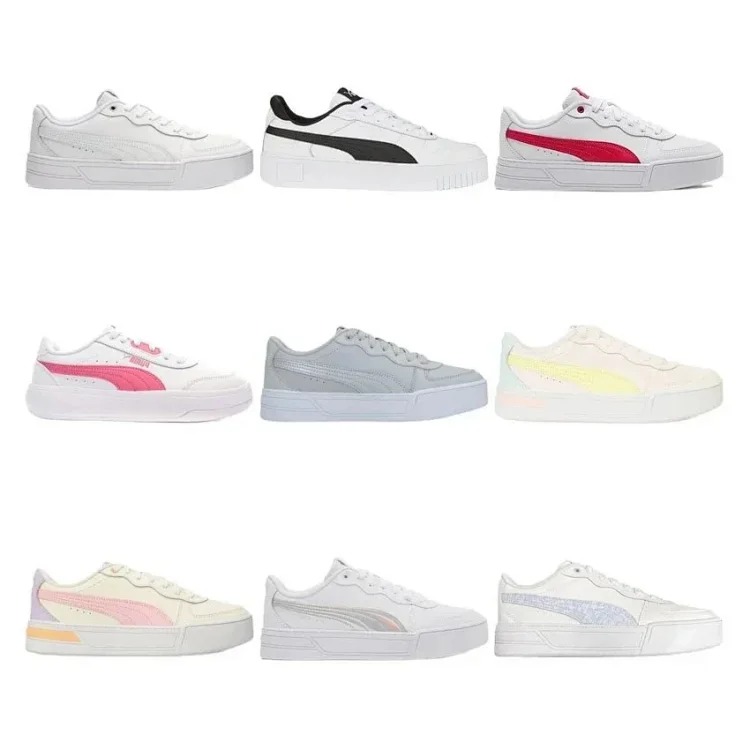 Puma Skye Casual Sneakers
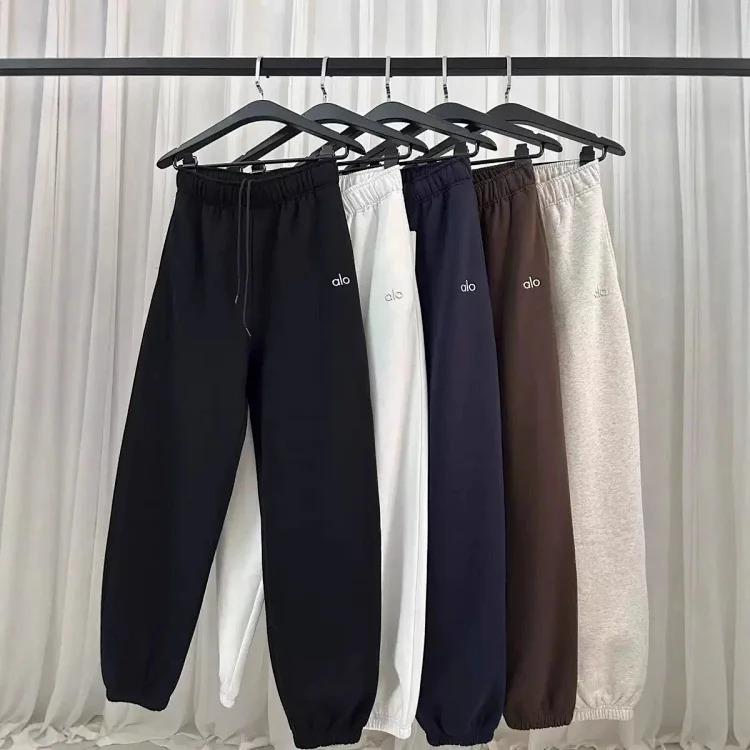 Loose Casual Drawstring Pants
Use this guide as a long-form shopping note rather than a replacement for checking the real product page. The goal is to keep the original news layout and article depth while connecting every image card and product reference to outfitreps. A shopper should be able to read the page, understand the role of each item, then open the outfitreps product link to inspect gallery images, sizing notes, color options, and seller details before making an agent order.
The best way to shop from a product guide is to separate inspiration from verification. Inspiration tells you why a piece might work in an outfit. Verification tells you whether the listing is clear enough to buy. Outfitreps product photos help with the second part because the card gives a visual starting point, but you should still open the full page, inspect all available angles, and compare the item title with the category before relying on it.
Begin with the anchor item. In most outfits the anchor is the piece with the strongest shape, contrast, or use case. It may be a hoodie, a sneaker, a jacket, or a clean base layer. Once the anchor is chosen, the rest of the outfit should support it instead of fighting it. If the anchor has a loud graphic, use quieter pants. If the anchor is minimal, use texture or accessories to add interest.
Product photos should be checked for proportion first. A shirt can look good as a flat image but fit too long for the pants you plan to wear. Sneakers can look clean in isolation but feel heavy beside slim trousers. Jackets can appear structured in seller photos but collapse if the fabric is soft. When you open an outfitreps product link, study the image for shoulder shape, garment length, hem width, sole height, and how the product might sit against other pieces.
Color is the next filter. Keep one main neutral, one supporting neutral, and one accent. Black, grey, cream, navy, olive, washed blue, and soft brown are reliable foundations. Bright colors, metallic pieces, or strong logos work better when they repeat somewhere else in the outfit or stay small enough to feel deliberate. If a product image has a color cast, compare it with other photos on the listing before deciding.
When the page includes multiple outfitreps products, do not add all of them to a cart automatically. Build a priority list. First choose the product that fills the biggest wardrobe gap. Second choose the piece that pairs with items you already own. Third choose the more expressive piece if it still supports more than one outfit. This order keeps the haul useful and reduces the chance of buying a product that only works in one photo.
QC photos are part of the styling process. After the product reaches the warehouse, compare the agent photos with the outfitreps listing. Check print placement, embroidery alignment, fabric texture, zipper shape, outsole form, tags, stitching, and color consistency. If the item was supposed to create a clean minimal outfit but arrives with a crooked logo or noticeably different tone, the whole look may change.
Sizing should be checked with measurements, not only size labels. Ask for chest width, shoulder width, sleeve length, total length, waist, thigh, inseam, and shoe insole length when relevant. Streetwear often looks best relaxed, but relaxed is not the same as oversized without control. Good proportion means the garment has room where it needs movement and structure where it needs shape.
For shipping, think in complete outfits. A pair of shoes or a bulky jacket can change parcel cost, so use smaller pieces like tees, socks, hats, or accessories to complete the look without adding too much weight. If this is a first haul, keep the order focused. Five carefully selected products can produce more wearable outfits than a large cart filled with unrelated trend pieces.
The final test is repeatability. A good product should work with at least three outfits or solve one very specific problem extremely well. Before ordering, imagine wearing the item on a normal day, not only in a screenshot. Consider weather, comfort, laundering, movement, pocket needs, and whether the product matches your existing wardrobe. The outfitreps link gives you the starting point; your checklist turns it into a smarter order.
Use the product cards above as the only changed visual and link layer on this restored news page. The article format, reading depth, and original news-card purpose remain intact. The images and links point outward to outfitreps so shoppers can verify real products while the CSSBuy Super Sheet article keeps its long guide structure.
If you are comparing two similar items, save both outfitreps pages and look at them side by side. Compare image sharpness, number of gallery photos, product title clarity, visible construction, and whether the category is correct. A listing with fewer photos is not always bad, but a listing with unclear photos needs more caution before agent checkout.
For buyers using an agent workflow, the safest habit is to keep notes. Write down the product name, expected color, size choice, reason for buying, and any detail that must be checked in QC. These notes help when multiple products arrive at the warehouse and prevent confusing one similar hoodie, sneaker, or accessory with another.
Long-form guides are useful because they slow down impulse buying. The goal is not to make every product sound perfect. The goal is to explain how to judge a product in context, how to match it with other pieces, and how to avoid obvious mismatches before money is spent. That is why the product links remain direct and visible while the article stays detailed.
In conclusion, open the outfitreps product link, study the photos, compare the category, check sizing, and use QC as the final decision point. If the item supports the outfit plan and survives those checks, it is a stronger candidate for your cart. If it fails the visual or practical test, keep browsing before committing.
Another useful way to protect the order is to compare each outfitreps link with the role it plays in the guide. If the product is supposed to be a base layer, the photos should show a clean neckline, manageable length, and a fabric weight that can sit under outerwear. If the product is supposed to be the visual anchor, the main photo should make the color, logo placement, texture, or silhouette obvious. If the product is supposed to be a support item, it should not create unnecessary contrast with the rest of the fit. This simple role check keeps the article practical and prevents the shopping list from becoming a random set of attractive images.
It is also worth checking whether the product can be worn across more than one season. A hoodie, tee, sneaker, cap, or lightweight jacket becomes more valuable when it works in several combinations. Before ordering, imagine the item with three outfits you already own. If you can only picture it with one exact look, it may still be worth buying, but it should be treated as a statement piece rather than a wardrobe staple. The outfitreps product link gives you the visual information; the guide helps you decide whether that information supports your real wardrobe.
When reviewing QC later, use the same logic from this article. Do not only ask whether the item arrived. Ask whether the received item still performs the role you selected it for. Check the shape, proportions, color, stitching, print position, and any details that are visible in the outfitreps product photos. If the item was meant to be clean and minimal, small flaws may be more obvious. If it was meant to be textured or oversized, the most important checks are fabric feel, drape, and measurement accuracy. This is why long-form notes remain useful even when the product links are external.
Finally, keep the buying process calm. A well-built haul usually comes from fewer products, clearer outfit plans, and better verification. Open the outfitreps link, compare the photos, decide the role, confirm measurements, and wait for QC before making final judgments. That slower process protects the budget and makes the final wardrobe easier to wear. The purpose of this restored guide is exactly that: preserve the original long reading format while letting the images and product buttons point to outfitreps listings that shoppers can inspect directly.