Finish product and size checks before rehearsal
Start with the order list. For every item, confirm the selected color, size, quantity, and version against the saved listing and option screenshot. Review warehouse QC photos before adding the item to a parcel. If a measurement, missing piece, visible mark, or color difference could change your decision, resolve that question first. Once a parcel is submitted, changing its contents may be slower or may require additional service steps.
Keep fit evidence attached to the row. For shirts and hoodies, record a comparison garment and useful flat measurements. For jackets, consider the layers you expect to wear beneath them. For shoes, retain the seller chart and foot measurement. A size label in a warehouse photo is evidence of the tag, not a guarantee of fit. If you are unsure whether to accept an item, consult the CSSBuy QC Guide before making the parcel decision.
Mark each line as accepted, awaiting a question, or excluded from shipping. This simple status prevents an item under review from being packed with the rest by mistake. Save the warehouse location or order reference if the interface provides one.
Estimate how different clothing shapes pack together
Mixed parcels behave differently from a list of item weights. Soft T-shirts can be folded compactly. Hoodies have thicker fabric and may retain more air. Padded jackets and structured pieces can take up room even after folding. Shoes, rigid boxes, and bags may define the parcel's shape. These are general planning observations; your actual parcel dimensions depend on the warehouse packing and selected materials.
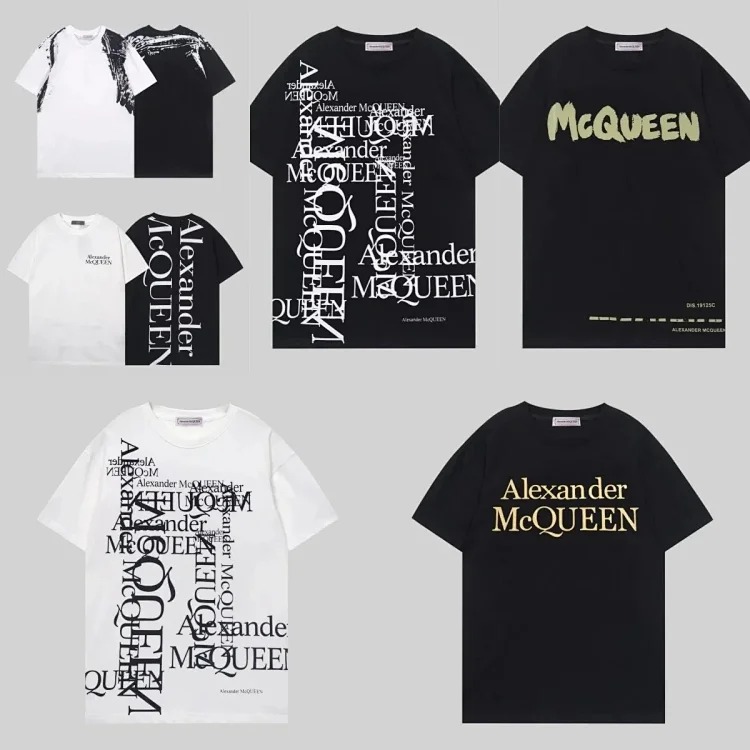 Light clothing example
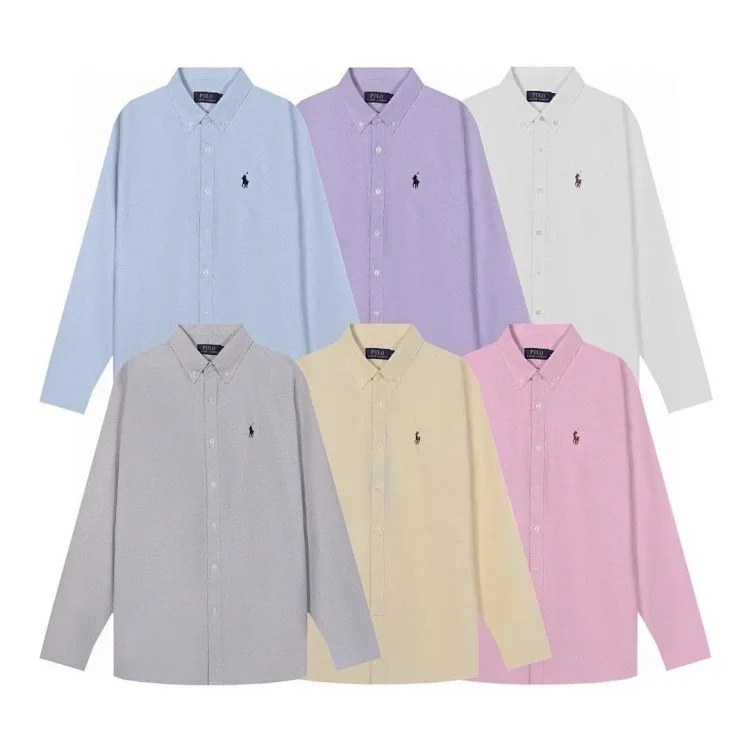 Thicker clothing example
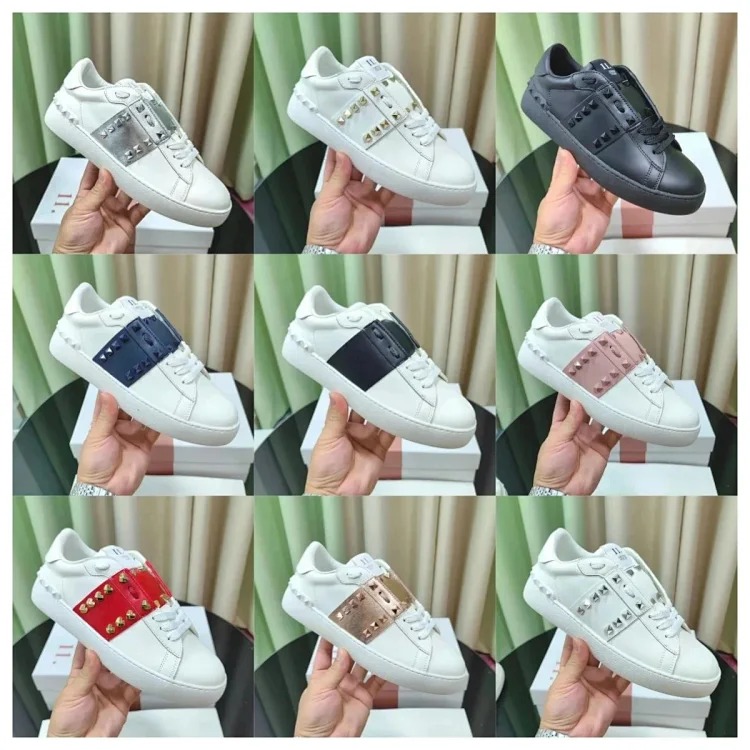 Outerwear example
Use these pages as research examples and revisit the current listings before purchase. Keep the listed product information separate from measured warehouse data. A seller's item weight is not the packed parcel weight, and a product image cannot tell you the final carton size.
A mixed parcel may benefit from grouping flexible apparel around rigid items, but follow the warehouse service choices available to you. If a bag or shoe box needs protection, specify that preference rather than assuming the packer will know. Avoid requesting aggressive compression for pieces that could be damaged or visibly distorted.
Choose packaging preferences deliberately
Before rehearsal, decide which packaging matters. A retail box can protect shoes but increase space. Removing it may reduce volume and may also remove labels or accessories you want to keep. A dust bag, spare laces, tags, or extra hardware can be small but easy to overlook. Refer to QC photos and record any pieces you expect to remain with the item.
For soft clothing, compression or removal of excess packaging may be available, but terms and costs depend on the current warehouse service. Read the option descriptions and consider the tradeoff between compactness and protection. If you are uncertain about a rigid, padded, or delicate item, ask support what the packing service includes before making a selection.
Set your preferences in clear language: which box to retain, whether to keep accessories, or which item needs extra protection. Do not use a blanket instruction if different items need different treatment. Save the selected preference with the parcel record so the resulting dimensions can be understood later.
Compare actual weight, dimensions, and route terms
When the rehearsal result appears, review its actual weight and outer dimensions alongside the route's displayed chargeable weight. Carriers may charge based on actual weight, volumetric weight, or another rule. Divisors, rounding, thresholds, restrictions, and insurance can vary by route and can change over time. Use the values displayed for your parcel rather than a formula copied from an older guide.
Check route eligibility for the parcel contents, size and weight limits, insurance coverage, customs information, and estimated transit time before selecting a service. A route with a lower displayed estimate may have different restrictions or delivery terms. Compare what is included and confirm that your contents are allowed.
- Confirm every accepted item is included and every pending item is excluded.
- Review actual weight, dimensions, and chargeable weight shown for the rehearsal.
- Check route restrictions, size limits, insurance, customs notes, and delivery estimates.
- Confirm packaging choices and any added service fees before submission.
- Save the quote date and selected route because rates and terms can change.
Use agent communication to resolve unusual estimates
If a rehearsal result looks unexpected, first compare the parcel contents and package dimensions with your notes. Check whether an item was split into another parcel or whether protective packaging increased the size. If the basis still is not clear, send the agent a concise question that includes the parcel reference and asks whether the quoted value reflects actual or volumetric weight, or whether a packing option changed the dimensions.
Keep messages factual and attach only the relevant order or rehearsal information. A high estimate does not by itself prove that a product weight is wrong. Route rules and parcel shape may explain the difference. Wait for an answer before changing packaging or selecting a new route if the choice could affect protection or eligibility.
Other useful product-shape examples include a shoe listing, pants listing, and small accessory listing. These links help organize research, but current prices, options, and availability should always be checked on the source page.
Maintain a parcel record for future comparisons
Record the rehearsal date, included SKUs or order references, packaging selections, actual weight, dimensions, chargeable weight, route, quote, and final decision. Keep notes on why you selected or removed an item. This turns future CSSBuy shipping estimates into comparisons based on similar contents and packing choices, rather than unreliable memory.
Continue with the CSSBuy Shipping Guide, CSSBuy Agent Guide, and CSSBuy Product Links Guide. Return to the CSSBuy Super Sheet Link Library, read the weight versus volume explainer, or browse the full news and guide library.