Know what each weight describes
Actual weight is the physical mass of the packed parcel, measured on a scale. Volumetric weight is a carrier calculation that represents the space a parcel occupies. A lightweight, bulky package may have a higher volumetric figure than actual weight. Depending on the route's rules, the carrier may charge using actual weight, volumetric weight, or a chargeable-weight rule that compares the two.
The calculation and threshold are not universal. Carriers can use different divisors, rounding increments, minimums, packaging rules, or route-specific exceptions. Do not copy a divisor from an old post or another line and assume it applies to your parcel. Check the current CSSBuy route information and the estimate shown for your own shipment. Treat any worked example as an explanation of the concept, not a quote.
Keep four separate values in your notes: item weight before packing, estimated packed actual weight, parcel dimensions, and the route's displayed chargeable weight. This prevents a product's listed weight from being mistaken for the final billable parcel weight. It also makes a large difference between a rehearsal estimate and a later quote easier to investigate.
Why product shape changes the estimate
Soft clothing compresses more easily than rigid or padded goods. A single T-shirt may add little volume, while several hoodies, a padded jacket, shoes in boxes, or a structured bag can create a larger parcel even when the scale weight seems modest. The final shape depends on the item's construction, how it is folded, whether protective material is added, and whether retail packaging stays in the parcel.
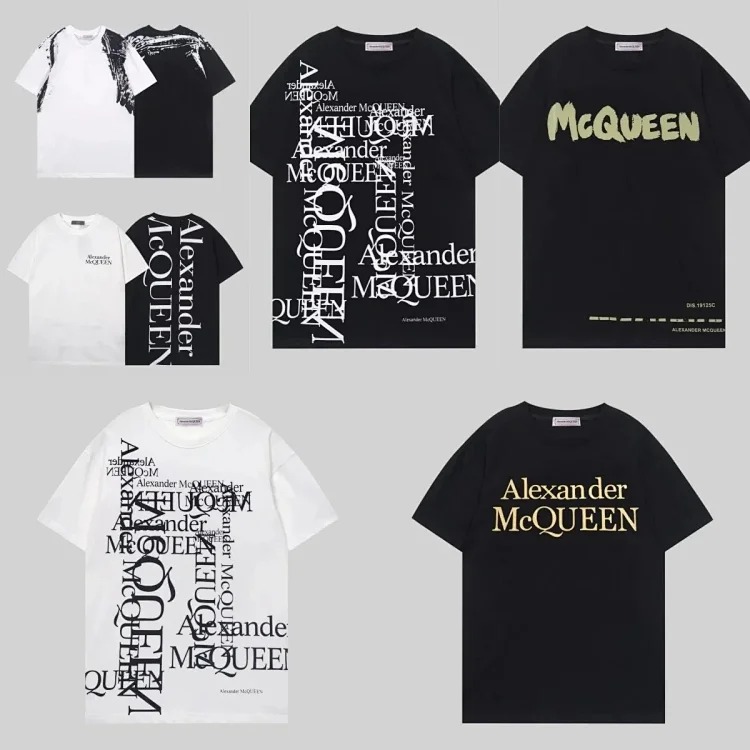 Light apparel example
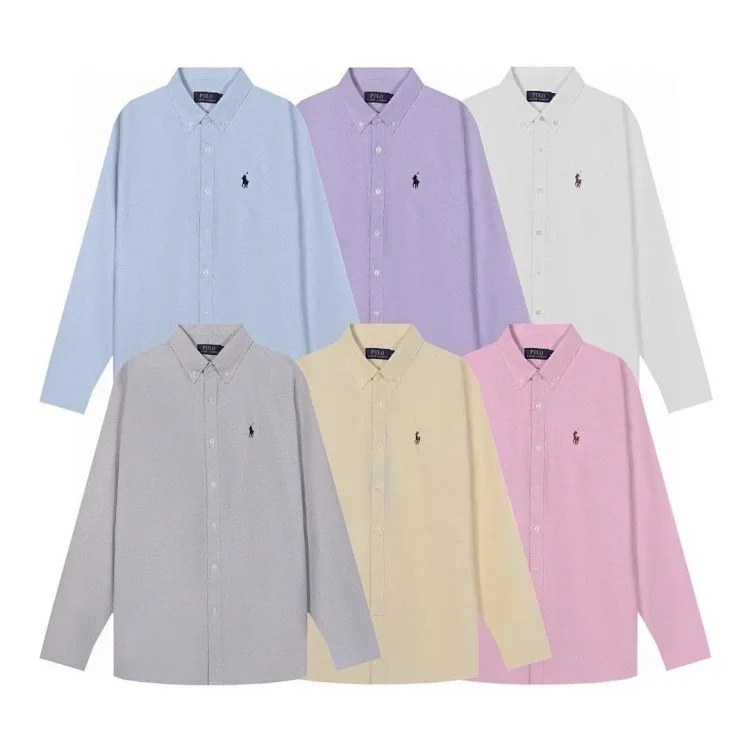 Bulky clothing example
 Shoe packaging example
Use these product pages as examples when organizing research. Recheck each listing's current options and details before ordering. A product page does not tell you the packed dimensions of your eventual parcel, so record the warehouse measurements and route estimate when available.
For a mixed order, think about the whole parcel rather than adding product weights alone. A shoe box may hold empty space. A structured jacket or bag may resist compression. Small accessories can fill gaps but still need protection. The combination of items can affect the final carton dimensions in ways that are hard to predict from listing photos.
Keep product research and QC tied to shipping
Before purchase, store product URLs, selected options, listed weights if provided, packaging notes, and any special requirements in the CSSBuy spreadsheet. Label seller-provided numbers clearly, because they may describe the item alone rather than the packed parcel. Do not treat estimated product weights as verified warehouse measurements.
At the warehouse, use QC photos to confirm identity and visible condition before planning the parcel. Check whether a box, dust bag, tags, spare laces, or other included pieces are present. If size matters, compare garment dimensions or shoe size evidence before shipping. QC photos can help identify what arrived, but they do not necessarily show a parcel's final dimensions or guarantee fit and material performance.
For related product research, compare a jacket listing, a pants listing, and a small accessory listing. These examples illustrate how different product shapes may need different packing choices.
Use parcel rehearsal before submitting a route
Parcel rehearsal or a similar service can provide a more informed estimate after warehouse goods are ready. Review the displayed packed weight and dimensions, then compare the available route options. Confirm which routes accept your contents, their current size or weight limits, restricted materials, insurance terms, customs requirements, and delivery estimates. These details can change, so check them close to the time you submit.
If a displayed estimate seems unexpectedly high, first check the recorded dimensions, included packaging, number of parcels, and whether the estimate uses actual or volumetric weight. Ask CSSBuy support or consult the route information if the basis is unclear. A high estimate may reflect the carrier's rule or parcel shape rather than an incorrect product weight. Avoid choosing a route based only on an old price screenshot.
- Compare actual and volumetric values shown for the parcel.
- Confirm the dimensions and included packaging before accepting the quote.
- Check route limits, restricted contents, insurance, and customs guidance.
- Review whether splitting, rehearsal, or packaging adjustments are available and appropriate.
- Save the final estimate and route selection with the parcel record.
Choose packaging with protection and volume in mind
Packaging decisions can change dimensions and risk. Removing a shoe box or other rigid packaging may reduce volume, but it can also reduce protection or remove labels and accessories you wanted to keep. Compression may reduce space for soft goods, yet it may be unsuitable for structured pieces or delicate prints. Ask what a service actually changes before selecting it.
Do not assume that smaller is always better. A parcel still needs enough protection for the contents and the journey. Record preferences for box retention, extra wrapping, or compression where the service offers them, and check any added charges. If you are uncertain about a high-value or fragile item, ask support about the available packing options before submitting the parcel.
Maintain a useful CSSBuy shipping record
A helpful spreadsheet row records source link, item option, item weight if known, packaging preference, warehouse QC outcome, parcel dimensions, actual weight, volumetric or chargeable weight, route, quote date, and final shipping decision. Date every estimate. This makes comparisons useful without suggesting that a past amount is still current.
Continue with the CSSBuy Shipping Guide, CSSBuy Product Links Guide, CSSBuy QC Guide, and CSSBuy Agent Guide. Return to the CSSBuy Super Sheet Link Library, review the warehouse photo guide, or browse the full news and guide library.