Start with foot measurements, not a familiar size label
Begin with the length of the larger foot in millimeters. Measure while standing, with the heel against a straight edge and the weight distributed naturally. Record foot width when the forefoot is broad or when the shoe has a narrow shape. A remembered US, UK, or EU label is only a starting reference because sellers, factories, and models can interpret the same printed size differently.
The CSSBuy spreadsheet row should separate foot length, preferred internal allowance, seller size label, and the source of the recommendation. Do not confuse foot length with insole length. An insole normally needs extra room, but the useful allowance depends on the shoe type, toe shape, socks, and personal fit preference. A thick running shoe and a close-fitting casual shoe may require different decisions for the same foot.
If the listing includes a chart, save its measurement units and date checked. Identify whether the chart maps foot length, insole length, outsole length, or a generic international conversion. When the evidence is unclear, ask the agent to confirm the seller recommendation before purchase rather than guessing from a converted label. The spreadsheet should show uncertainty openly instead of presenting an unsupported size as fact.
Compare live shoe links and seller-photo evidence
These OutfitReps shoe pages returned a successful response when checked on August 20, 2026. They are examples for research, not permanent stock guarantees. Before ordering, open the live page and confirm the title, images, selected version, available size, price, and seller notes still describe the expected item.
 Shoe listing example
 Sports shoe option check
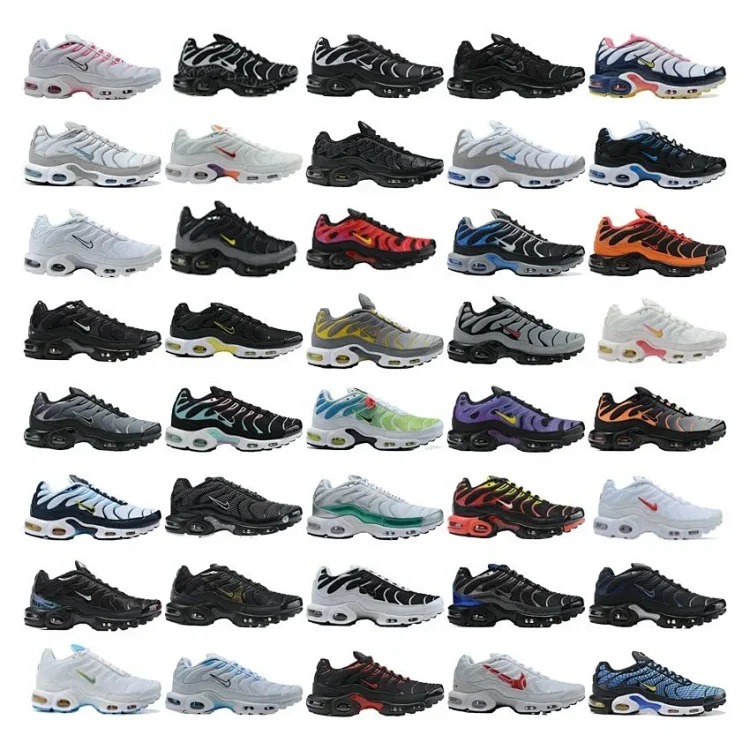 Seller-photo comparison
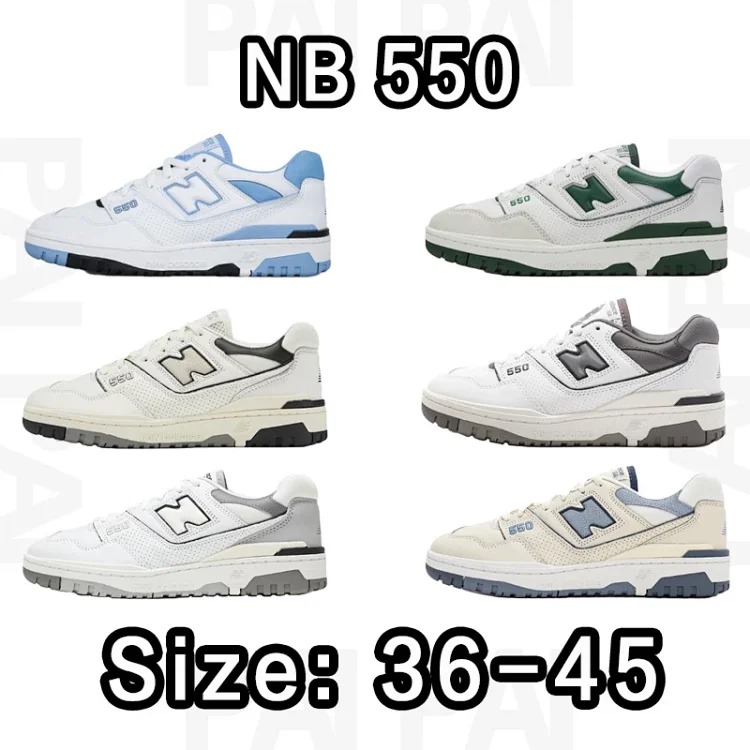 Colorway and size check
 Pair QC planning
 Packaging review
Count the useful images and note which angles are missing. Strong listing evidence normally includes the lateral and medial sides, toe, heel, outsole, tongue, size label, and any included box or accessories. Marketing photos can show the intended appearance, but they do not prove what will reach the warehouse. Preserve the product title and selected image so a later listing change is easier to detect.
Write precise agent order notes
An agent note should identify the exact colorway, seller size, quantity, and any version visible in the option menu. Copy the original product URL into the order record and keep a screenshot of the selected option. If the seller uses image-only options, describe the identifying color and option position without relying on position alone, because menus can be reordered.
Do not ask the agent to decide your size from a casual international conversion. Give the measured foot length, the seller chart reference, and the exact option you want. When a recommendation from the seller is required, ask for confirmation before purchase and retain the reply. If the price changes substantially after selection, pause and verify whether the displayed amount was a deposit, accessory, or cheaper variation.
Keep return and exchange conditions in the same row. Some sellers restrict returns for size choice, customized items, delayed handling, or minor differences. Record domestic shipping charges and estimated handling time when available. This makes it easier to compare two links on total risk rather than choosing only the lowest displayed price.
Use a shoe-specific warehouse QC checklist
When the pair arrives, compare the warehouse photos with the saved listing and order notes. Check that both shoes are the same model, color, and size. Review the shape from the front, sides, heel, and top. A single attractive angle cannot reveal pair alignment, heel height, toe symmetry, outsole condition, or obvious construction differences.
- Confirm both size labels, the ordered colorway, and the number of included pieces.
- Compare left and right shoes for shape, stitching, panels, sole alignment, and visible damage.
- Review tongue labels, heel details, outsole patterns, logos, and major color boundaries.
- Request an insole-length measurement when sizing evidence remains uncertain.
- Confirm whether the box, spare laces, tags, or accessories shown in the order are present.
An insole measurement is useful only when it can be performed without damaging or distorting the shoe. State exactly what measurement you need and compare it with your planned allowance. Warehouse QC can reduce visible mistakes, but it cannot guarantee comfort, material performance, authenticity, or an exact fit after delivery. Treat it as evidence for a decision, not a promise.
Plan the agent route and shoe shipping volume
Verify that the source marketplace and product category remain supported by the intended CSSBuy agent route. Keep the product URL, seller option, paid amount, agent order number, seller messages, warehouse photos, and any service requests together. If the agent order title differs from the listing, compare the image and option details before assuming the item is wrong or correct.
Shoes can create more volumetric weight than folded clothing, especially when shipped with retail boxes. Decide whether the box has practical value and whether removal is acceptable before parcel rehearsal. Box removal may reduce volume, but it can also reduce protection or discard labels and accessories. Ask what packaging remains and consider corner or shape protection for delicate pairs.
Use current route restrictions, chargeable weight, insurance terms, delivery estimates, and customs information when the parcel is ready. Estimate a mixed parcel with realistic shoe volume rather than adding only product weights. Shipping prices saved in an older spreadsheet are planning references and should be refreshed before submission.
Maintain each shoe row as dated research
A reliable row should contain the checked date, source URL, product title, intended colorway, seller size, foot measurement, chart source, observed price, seller-photo notes, QC requirements, packaging preference, and route notes. Mark the row for review if a link redirects, the item changes, the desired size disappears, or the page no longer provides enough evidence.
Use the CSSBuy Product Links Guide to evaluate listing status, the CSSBuy QC Guide to plan warehouse checks, the CSSBuy Agent Guide for order routing, and the CSSBuy Shipping Guide for parcel decisions. Return to the CSSBuy Super Sheet Link Library, review how to check whether a CSSBuy link is still active, or browse the complete news and guide library.